Hammam Al-Jadeed

Hammam Al-Jadeed is the largest and most important bathhouse in the historic city of Saida, situated in the area known as “Hammam Al Jadeed District.” It was constructed in 1720 AD by Mustafa Hammoud, as indicated by the poetic inscription above its entrance. The hammam ceased operations in the late 1940s and was later reopened in May 2019 as a cultural and heritage site by the Sharqy Foundation for Cultural Development and Innovation.

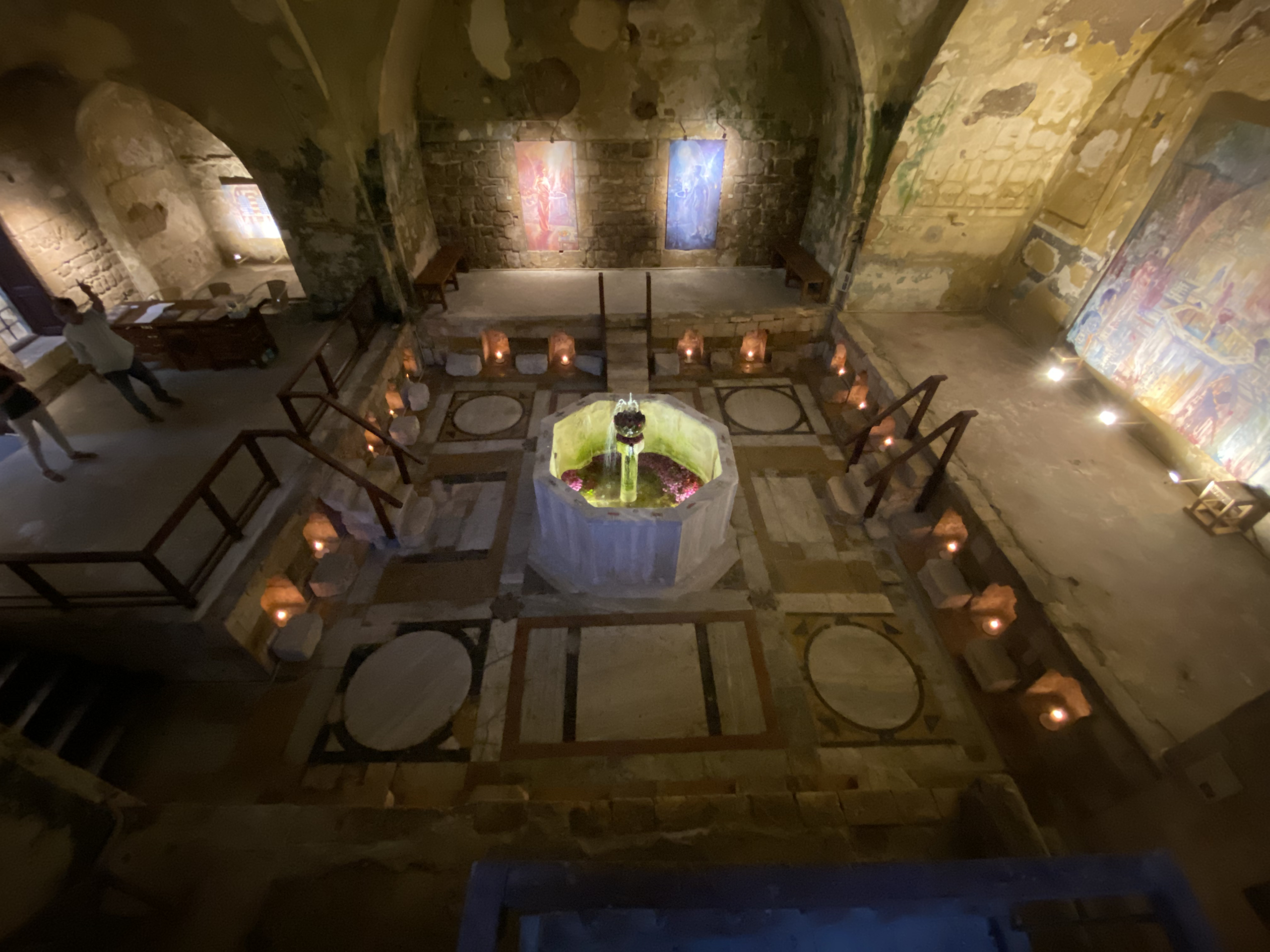
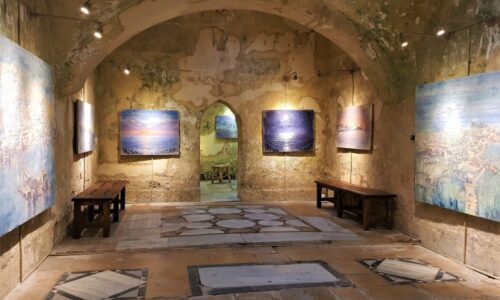
The structure features impressive decorative elements and includes a spacious entrance hall along with several smaller rooms designated for bathing. Its architectural details clearly reflect Ottoman design, particularly in the domed ceilings of the bathing areas, which are punctuated by small stained-glass openings.

Hammam Al-Jadeed is located on a main street surrounded by several important historical and tourist landmarks, now referred to as Hammam Al-Jadeed Street. This street extends from the Land Castle in the south to the Sea Castle in the north and is also known as “Aal Hammoud” Street. It encompasses several districts, including Al Share’a, Hammam Al-Jadeed, Mar Nicolas, and Bazerkan.

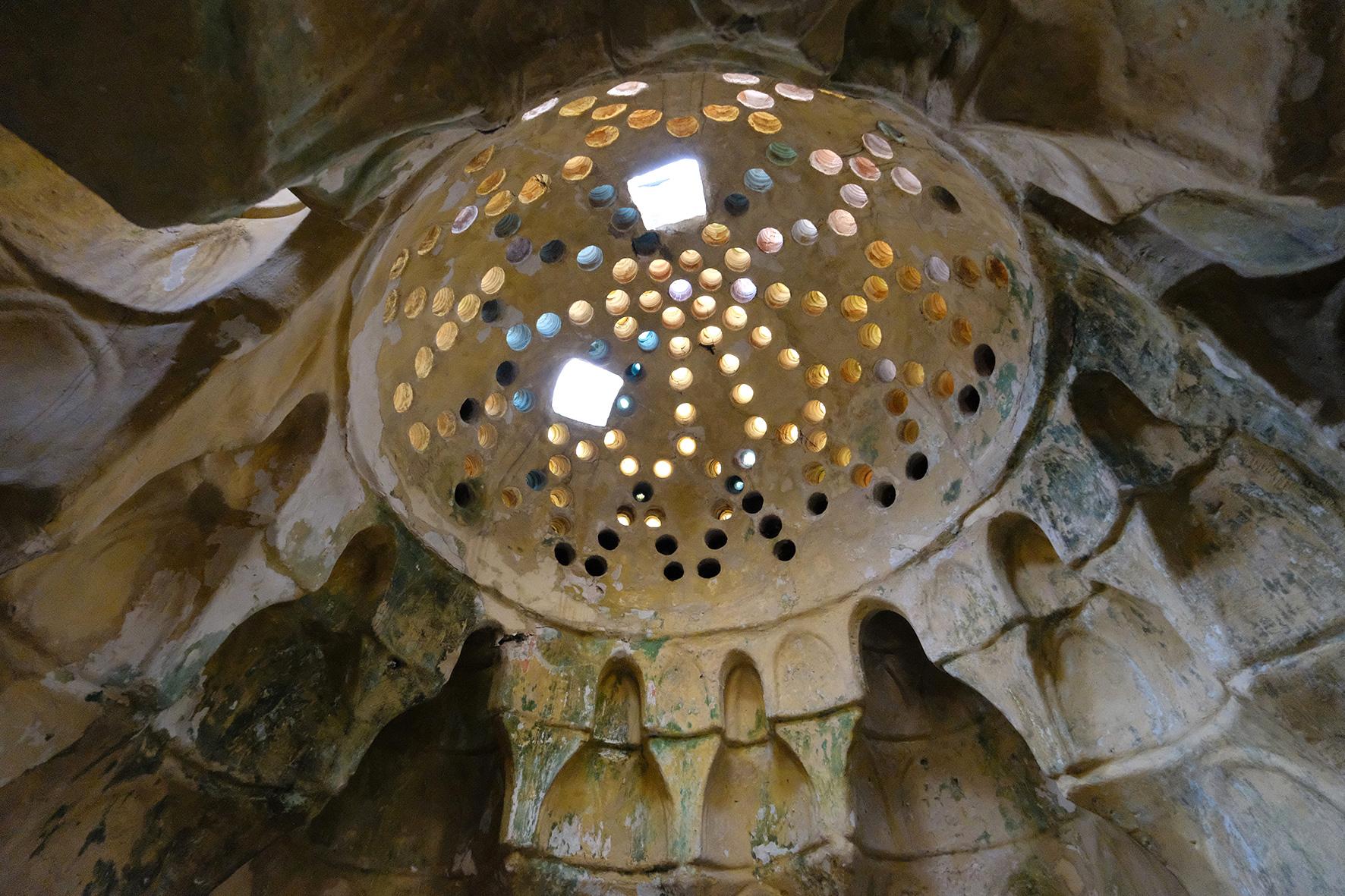
The bathing rooms are constructed from sandstone and coated with Arabic lime to retain heat. They are topped with domes characteristic of Ottoman architecture, especially the circular multi-domed structures. Some of these domes rest on corner triangles, while others are supported by Al-Mokarnas. Small glazed glass openings are integrated into the domes, allowing light to filter through beautifully.

The hammam includes a large courtyard covered by a high central dome, with an elegant marble fountain at its center. Benches surround the fountain, providing space for visitors to rest, undress, and prepare bathing items such as towels and soap before entering the bathing areas.

The bathing rooms are constructed from sandstone and coated with Arabic lime to retain heat. They are topped with domes characteristic of Ottoman architecture, especially the circular multi-domed structures. Some of these domes rest on corner triangles, while others are supported by Al-Mokarnas. Small glazed glass openings are integrated into the domes, allowing light to filter through beautifully.

Hammam Condition Assessment:

Decades of closure, lack of maintenance, and prolonged neglect of Hammam Al-Jadeed Closure, lack of maintenance, and prolonged neglect of Hammam Al-Jadeed for nearly seventy years have left it in a very poor condition, leading to the emergence of many problems and challenges both inside and outside, including but not limited to:

  • Deterioration of decorative wall ornaments, requiring urgent preservation and reinforcement.
  • Uncontrolled tree growth on the roof, with roots causing surface swelling, cracks, and structural damage.
  •  Cracks and crevices in load-bearing walls, requiring immediate stabilization and repair
  • The glass elements of the domes are either broken or fractured.
  • Broken and damaged glass elements within the domes.
  • Continuous water leakage from neighboring rooftops, accelerating damage to both the roof and interior spaces.
  • A collapsed ceiling due to the 1982 invasion, worsening cracks and moisture problems over time.

Cleaning and Rehabilitation

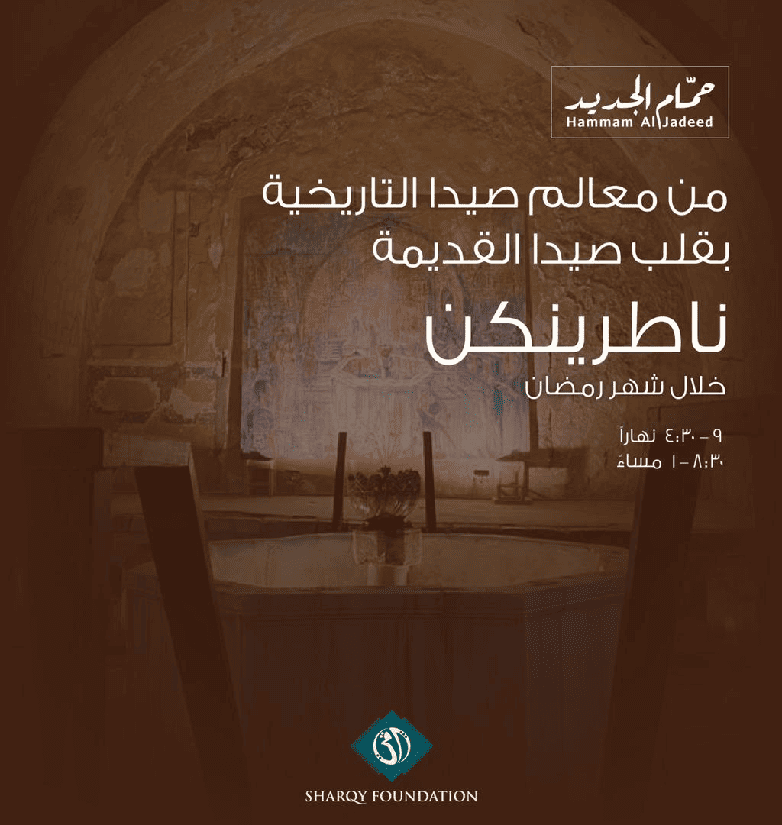
Over a period of six months, a comprehensive cleaning and rehabilitation of the Hammam was successfully completed in May 2019. During Ramadan 2019, the doors were open to visitors from all over Lebanon to come and explore the site for the first time after decades of closure.

  • Cleaning and disinfecting of the site, in addition to the removal of accumulated rubble and dirt inside.
  • Replacement of the broken glass in the top of the domes to prevent the causes of damp.
  • Re-tiling of some of the cracked walls to regain their past form.
  • Treatment of some of the cracked walls.
  • Re-cleaning of floor tiles.
  • nstallation of a new electric panel in preparation for the implementation of the electrical grid.
  • Re-installation of the internal ponds’ water network.
  • Re-cleaning of Al-Khawarnaq.
  • Installation of iron and glass for large holes on all domes.
  • Installation of wooden doors to isolate the room with the broken roof.
  • Re-installation of windows’ iron.
  • Photography and documentation of all stages of cleaning and rehabilitation.
  • Currently, the total usable area after finishing Phase I is 300 SQM

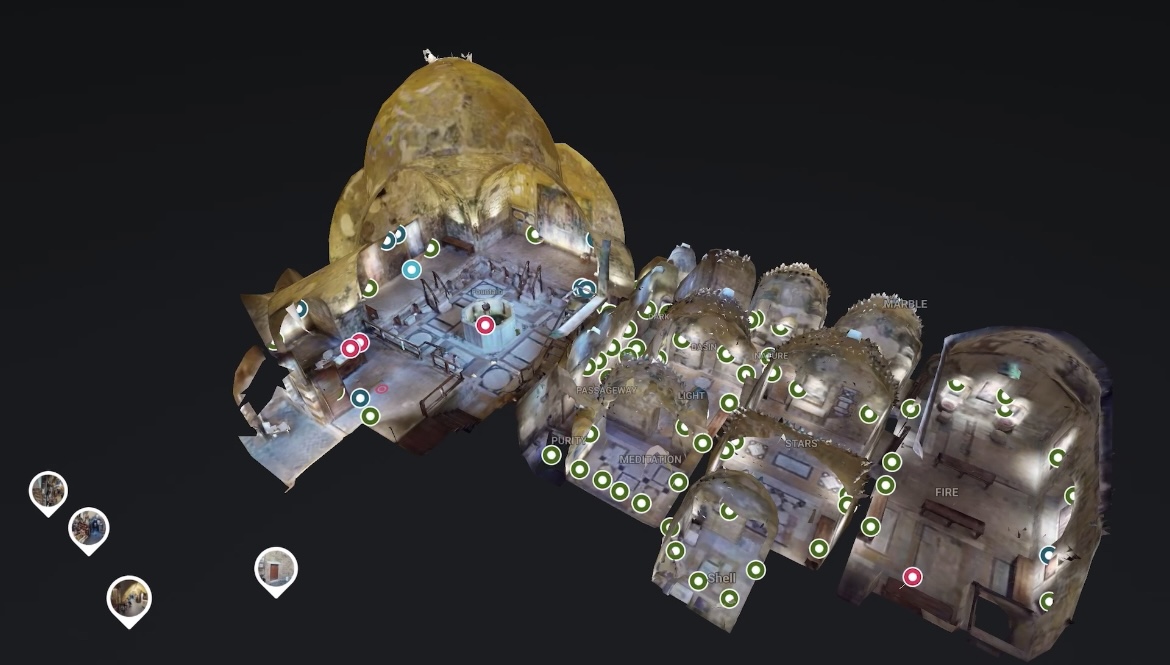
To enhance accessibility and provide a more immersive understanding of the space, we have developed a 3D virtual tour that allows visitors to explore the location remotely in a realistic and interactive way. This digital experience enables users to navigate through the site at their own pace, offering a comprehensive view of its layout, architectural elements, and spatial composition.

Through this virtual tour, visitors can closely observe the design details, materials, and historical character of the space, gaining a deeper appreciation of its heritage and atmosphere. It serves as a valuable tool for those who are planning a visit, as well as for individuals, researchers, and partners who wish to learn more about the site from anywhere in the world.

By bridging the physical and digital experience, the 3D virtual tour reflects our commitment to making cultural and heritage spaces more accessible, while preserving and showcasing their significance in an engaging and innovative manner.


Access the 3D virtual tour here

Our News